
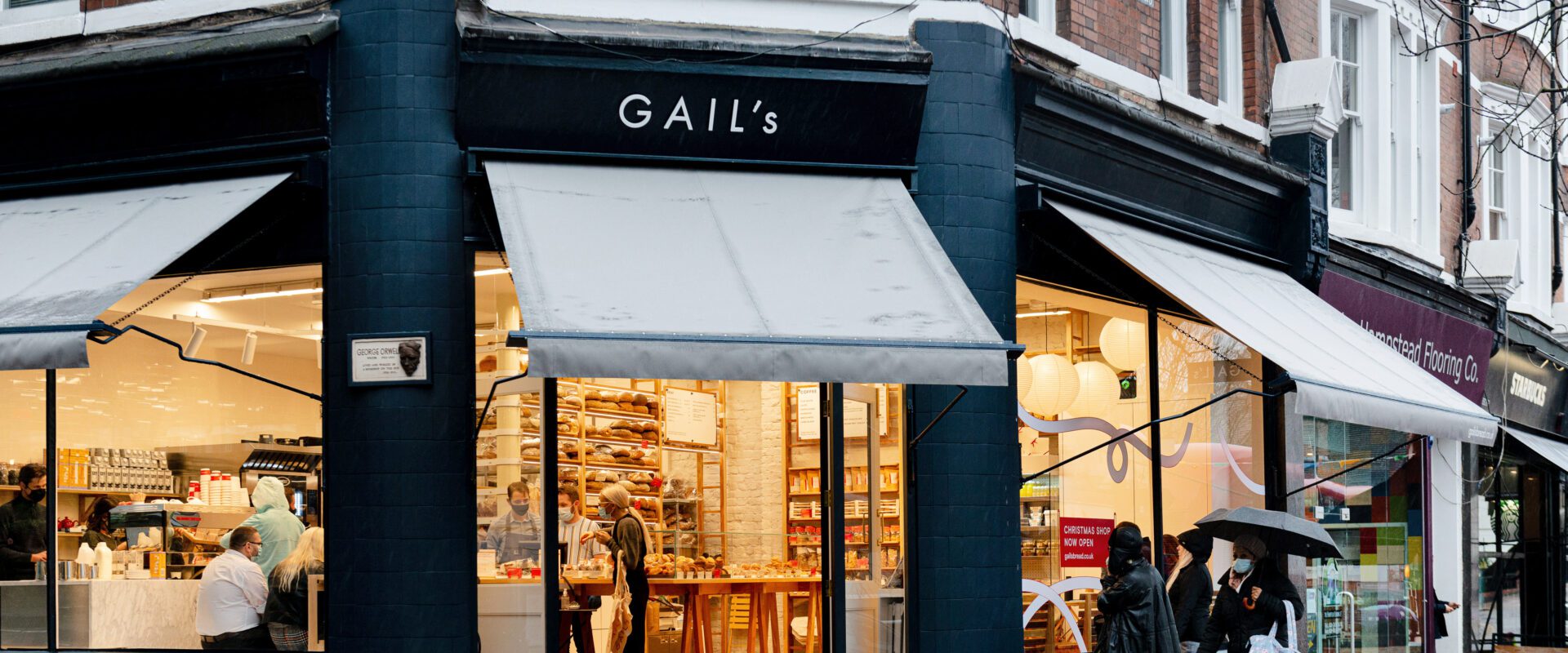
Gail’s Bakery is pressing ahead with plans to open 40 new outlets, signaling a major push into new neighborhoods. However, the chain’s rapid ubiquity has turned it into an unlikely lightning rod for controversy. As sales hit £278m last year, the brand’s arrival in certain areas has sparked debates about gentrification and the survival of independent local businesses.
While the bakery has found massive success in many affluent boroughs, its expansion into areas like Walthamstow in east London was met with fierce resistance. A petition to stop a new Gail’s opening garnered hundreds of signatures from residents concerned about the impact on local culture. Similarly, a new branch in Brighton was vandalized with graffiti, highlighting the tension between the chain’s corporate growth and community sentiment.
Interestingly, the brand has also become a political bellwether. The “Gail’s Index” is a term now used by political analysts and the Liberal Democrats to identify constituencies where voters might be shifting away from the Conservative party. The presence of the bakery is increasingly seen as a marker for a specific demographic of voter, adding a layer of socio-political complexity to their croissants and coffees.
Despite the pushback in some quarters, the commercial demand is undeniable. Retail sales rose by almost 23% last year, and the company opened 36 new sites. Co-founder Tom Molnar acknowledges the mixed reactions but insists the company is still in the early stages of growth compared to giants like McDonald’s or Greggs.
The company, which began in the early 1990s as a supplier to chefs, is now navigating the tricky waters of maintaining an “independent” feel while operating nearly 200 sites. As they move forward with their 40 new locations, navigating local sentiment will likely be as crucial as managing their rising energy and staff costs.