
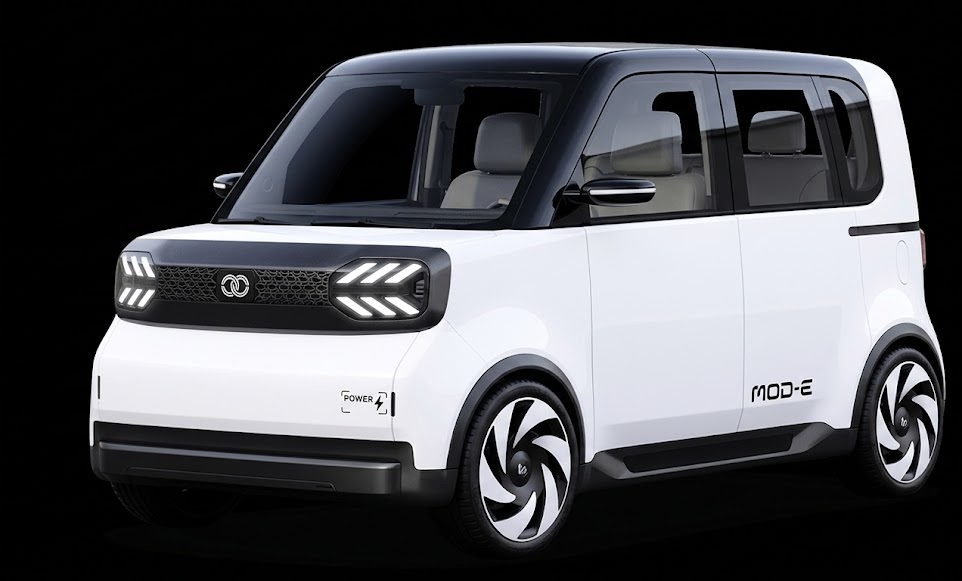
In a noteworthy development in the electric vehicle sector, a new brand targeting the Japanese market has been unveiled through a collaboration between Japanese automotive entities and China’s Chery Automobile. The first model from this new brand, EMTA, is set to debut in 2027 as a compact electric kei car, a significant segment in Japan’s automotive industry.
EMT Co., based in Yokohama, is spearheading this initiative with the participation of companies like Autobacs Seven and Anest Iwata, alongside Chery Automobile and a battery manufacturer. This strategic partnership aims to leverage Japan’s demand for kei cars, which constitute over a third of the country’s new vehicle sales. The venture plans to design and market the vehicles in Japan while manufacturing will take place in China, with a focus on integrating advanced digital technologies such as wireless software updates, smartphone connectivity, and automated driving capabilities.
The emphasis on kei cars aligns with consumer needs for vehicles suited to short daily commutes, where the driving range is less of a concern. EMT Co. is also considering utilizing select Autobacs retail locations as points of sale. The brand has ambitious plans to introduce three more electric vehicle models by 2029, with potential future production in Japan and an eye on global market expansion.
This announcement arrives amid a surge in competition within Japan’s kei electric vehicle market. Notably, Chinese automaker BYD is preparing to launch its Racco kei EV targeting Japanese consumers, while Nissan has expanded its Sakura lineup with a more affordable option. Additionally, Suzuki Motor is slated to introduce a kei EV by the end of the current fiscal year, and Honda Motor is developing an electric variant of its popular N-Box model for a 2028 release.
The proliferation of new entrants underscores the growing momentum in Japan’s small electric vehicle market, as automakers vie to attract urban drivers who are increasingly budget-conscious. This trend highlights the evolving landscape of electric mobility in Japan, driven by innovations and strategic alliances aimed at capturing a significant share of the kei car segment.