
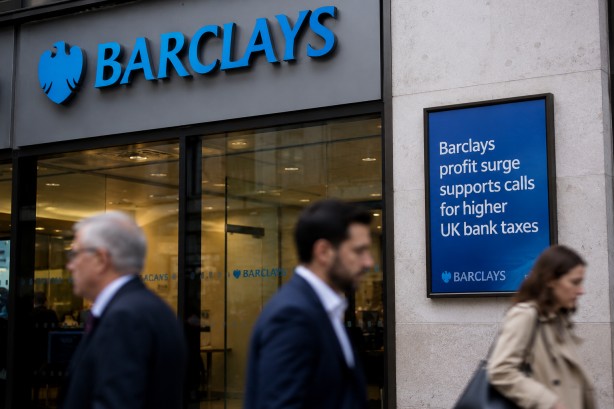
Barclays has delivered impressive financial results, leading to calls for increased taxation on large banks by the UK government. The financial institution reported a 31% increase in pre-tax profit for the second quarter, reaching £3.3 billion. This contributed to a 17% rise in its first-half profit, now totaling £6.1 billion. In response to these robust earnings, Barclays has also expanded its half-year bonus pool by nearly 30%, amounting to £1.3 billion, while simultaneously announcing plans for £1 billion in share buybacks and distributing £800 million in dividends to shareholders.
The Trades Union Congress (TUC) has responded to these results by urging Prime Minister Andy Burnham’s administration to impose higher taxes on banks. They argue that the strong profits displayed by lenders indicate that they are well-positioned to contribute more significantly to alleviating the cost-of-living crisis affecting the nation. The TUC believes that by tapping into the financial success of these institutions, the government could generate additional resources to support public needs.
Barclays, however, has defended its financial practices and current tax contributions. The bank asserts that UK financial institutions are already subject to higher tax rates compared to many of their international counterparts. Executives have emphasized that the expansion of the bonus pool is a direct reflection of the bank’s increased earnings. They also highlighted the pivotal role that a robust banking sector plays in fostering lending, investment, and overall economic growth, suggesting that any changes in taxation should consider these broader economic contributions.
The debate over bank taxation comes amid a broader discussion on how to balance corporate success with societal responsibility. As major banks like Barclays continue to report strong profits, the pressure mounts on governments to find ways to leverage this financial prosperity for public benefit. The outcome of these discussions could have significant implications for the banking sector and its relationship with governmental fiscal policies.